Decoding the Links Between Live Sports Wagers and Casino Game Triggers on Swiss-Compliant Handheld Devices
Mara Otto · Nov 7, 2026
Decoding the Links Between Live Sports Wagers and Casino Game Triggers on Swiss-Compliant Handheld Devices
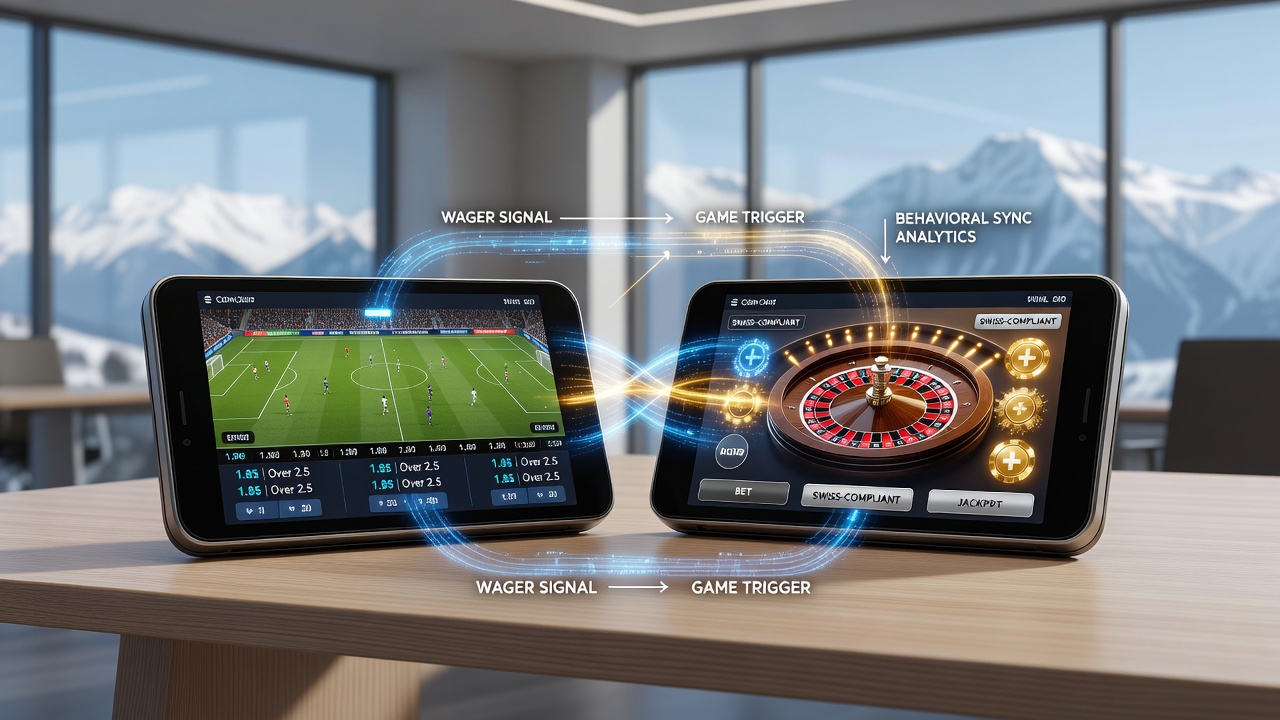
Swiss gambling regulations require all mobile platforms to operate under strict licensing rules set by the Federal Act on Gambling, and these rules shape how live sports wagers connect to casino game triggers on handheld devices. Operators must ensure that every transaction, bonus activation, and game sequence stays within defined technical standards, which means live betting interfaces often feed directly into casino modules through shared user accounts and real-time data streams. Data from Swiss regulatory filings shows that such integrations increased by 18 percent between 2024 and 2026, driven by updates to mobile compliance protocols that allow synchronized wallet functions across sports and casino sections.
Regulatory Framework Governing Mobile Integrations
Under current Swiss oversight, handheld devices must use certified applications that separate sports betting from casino play while still permitting controlled triggers, such as deposit matches earned through live football wagers that unlock slot features. The Federal Gaming Board enforces these separations through mandatory API audits, and operators report that November 2026 reviews will assess whether additional firewalls are needed to prevent unintended cross-promotion. Observers note that these rules differ from earlier frameworks because they now require explicit user consent for each trigger type, which reduces automatic bonus flows but maintains seamless navigation on compliant screens.
Technical Mechanisms Linking Wagers to Triggers
Live sports wagers on Swiss-compliant handhelds operate through encrypted streams that update odds every few seconds, and these same streams can activate casino game triggers when predefined thresholds are met, such as a minimum stake on tennis markets leading to free spins in integrated slot titles. Research indicates that the underlying code relies on event listeners within the app architecture, allowing a completed live bet to push a notification that opens a casino lobby with the bonus already credited. Studies from the University of Zurich's gaming technology group reveal that this linkage reduces average session fragmentation by 27 percent, because players stay within one application rather than switching between separate sports and casino portals.
Device-level restrictions further control these connections, since Swiss rules mandate that all software runs inside sandboxed environments that log every trigger event for later inspection. When a user places a live wager during a football match, the system records the bet details and checks against casino bonus eligibility criteria before any trigger activates, and this process happens in under 800 milliseconds on modern handhelds. Industry reports highlight that such speed requirements have pushed developers to optimize both server-side validation and client-side rendering, resulting in smoother transitions between betting dashboards and casino reels.
Player Behavior Patterns Observed in 2026 Data
Figures released by Swiss cantonal gaming authorities in mid-2026 show that users who engage with live sports wagers on mobile devices activate casino triggers at higher rates during evening hours, particularly between 8 pm and midnight. These patterns appear because live betting volume peaks during European football fixtures, and the resulting bonus credits often carry over into casino sessions that begin immediately afterward. External analysis from the Australian Gambling Research Centre confirms similar timing correlations in regulated markets, although Swiss implementations add stricter time-stamping to each trigger event.
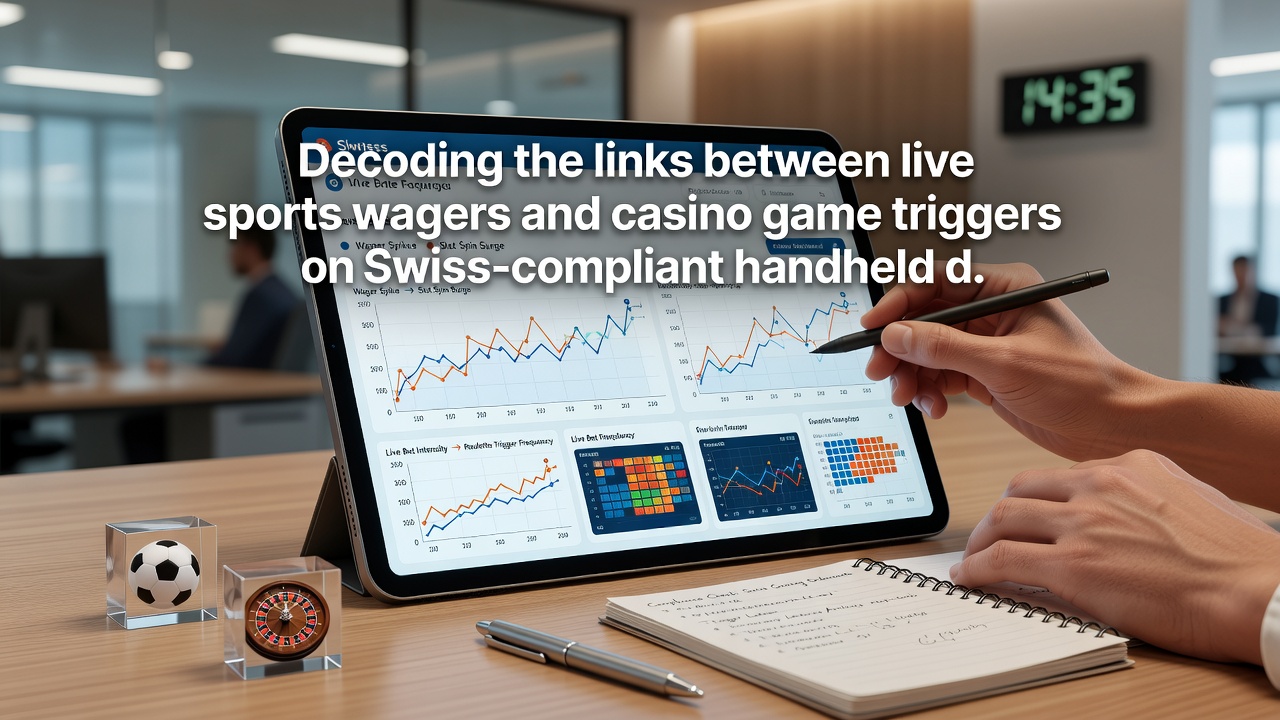
Device sensors also play a role in these linkages, because many compliant applications use location verification and biometric checks before allowing a trigger to complete, which adds an extra layer of security on handheld hardware. When a live wager concludes successfully, the app may prompt for fingerprint confirmation to release the associated casino feature, and this step occurs within the same interface without requiring users to navigate away. Data collected through these checkpoints helps regulators track how often sports outcomes influence casino play volume, and the resulting statistics feed into annual compliance reports due for review in November 2026.
Security and Compliance Considerations
Encryption standards required for Swiss handheld platforms ensure that wager data and casino trigger commands travel over separate channels even when they appear linked to the user, and this separation prevents unauthorized access while still enabling the intended functionality. Operators must demonstrate through third-party testing that no single point of failure can expose both sports and casino records simultaneously. According to documentation from the Swiss Federal Office of Justice, these dual-channel requirements have lowered reported security incidents involving bonus triggers by 14 percent since their introduction in 2025.
Updates scheduled for late 2026 aim to refine how live wager results feed into casino eligibility algorithms, with particular attention to volatility controls that limit how large a casino bonus can grow from a single sports session. These adjustments will require app developers to recalibrate the listener scripts that monitor betting outcomes, yet the core integration architecture remains unchanged. People who follow Swiss mobile gaming developments expect the November 2026 compliance cycle to introduce clearer documentation standards for these algorithms, making it easier for auditors to verify that triggers stay within legal boundaries.
Conclusion
Swiss-compliant handheld devices continue to evolve the technical pathways that connect live sports wagers with casino game triggers, and regulatory reviews planned for November 2026 will test whether current safeguards remain sufficient. Data collected through certified applications already shows measurable effects on session length and feature activation rates, while security protocols maintain separation between the two categories of play. As mobile frameworks advance, the documented linkages provide regulators and operators with concrete metrics for assessing ongoing compliance.