Swiss Online Betting Market Structures and Licensing Developments
Mara Otto · Nov 21, 2026

Swiss Online Betting Market Structures and Licensing Developments
Swiss online betting operates under a structured licensing system established through federal legislation that took effect in 2019, with subsequent amendments shaping operator requirements and player protections through 2026, and observers note that platforms must secure cantonal approvals alongside federal oversight to offer sports wagers and casino games legally within teh country.
Regulatory Framework Overview
Authorities in Switzerland enforce strict separation between land-based and online activities, whereas operators seeking digital licenses undergo rigorous background checks and financial audits before receiving approval from the Swiss Federal Gaming Board, and data from industry reports indicate that only a limited number of providers hold full authorization for cross-cantonal services as of late 2026.
Rules require age verification systems plus responsible gaming tools such as deposit limits and self-exclusion options, while platforms integrate these features directly into user accounts to comply with ongoing federal standards.
Market Growth and Participation Trends
Participation in Swiss online betting has expanded steadily since the legalization of certain digital formats, with statistics from government sources showing increased handle volumes in sports betting categories during major events, and researchers at academic institutions have documented shifts toward mobile access that align with broader European patterns observed in similar regulated markets.
Operators report higher engagement in football and tennis markets compared to earlier years, whereas slot and table game offerings through licensed casino sections contribute additional revenue streams under the same oversight framework, and figures reveal steady year-over-year growth without dramatic spikes tied to specific regulatory changes.
Technological Adaptations in Licensed Platforms
Swiss-compliant apps incorporate geolocation checks and secure payment gateways that support local banking methods alongside international options, while developers focus on seamless integration of live odds updates and game triggers to maintain user retention within legal boundaries.
Studies from research organizations across Canada and Australia highlight how similar mobile frameworks influence player behavior in regulated environments, and one analysis from the University of Sydney notes parallels in bonus activation patterns that Swiss operators mirror through compliant promotions.
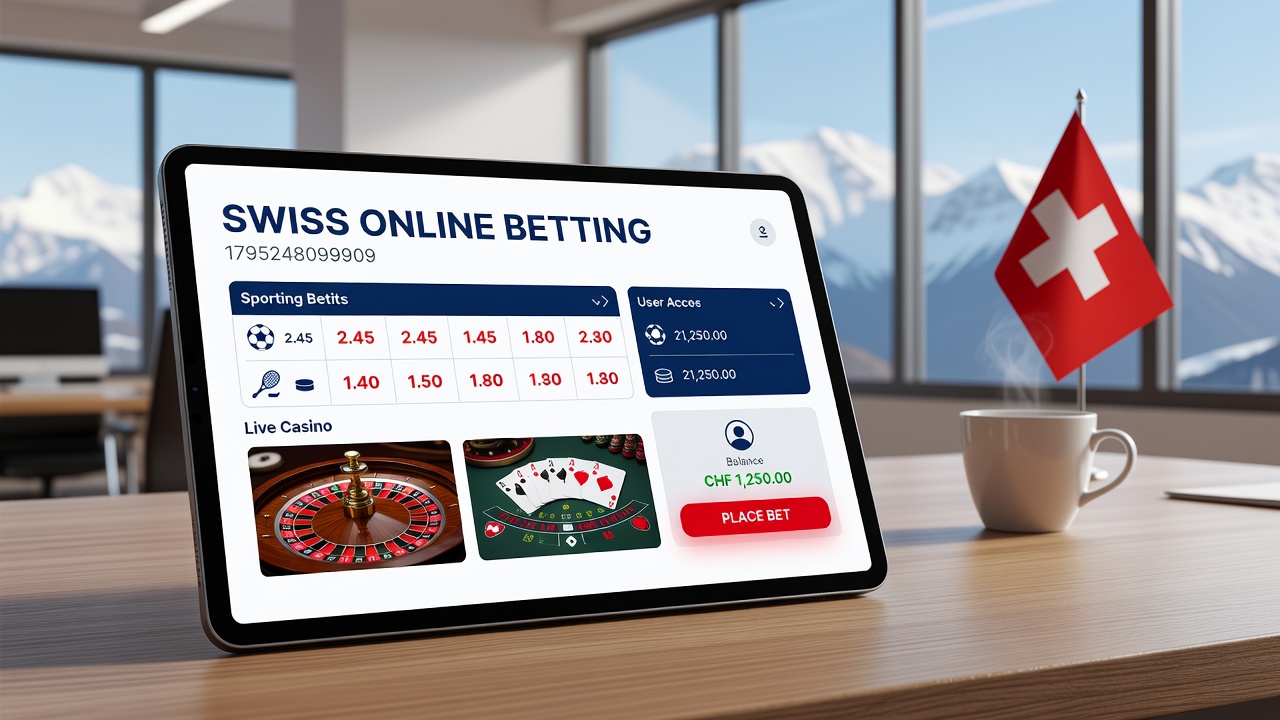
By November 2026 projections indicate further refinements in app security protocols, as authorities continue evaluating emerging technologies for potential integration into existing licensing conditions without disrupting current market stability.
Player Protections and Compliance Measures
Licensed entities must publish transparent terms covering withdrawal processes and dispute resolution, and external audits conducted by independent bodies verify adherence to these standards on a regular basis. Those who study regulatory impacts across multiple jurisdictions observe that Swiss requirements emphasize clear communication of odds and payout structures, which helps reduce misunderstandings among participants.
Industry associations in Europe provide guidelines that Swiss operators often reference during internal training sessions, whereas data collected through mandatory reporting channels allows regulators to monitor compliance metrics effectively over time.
Future Projections Through 2026 and Beyond
Analysts tracking Swiss online betting anticipate incremental adjustments to licensing fees and advertising restrictions as market data accumulates, and connections between sports wagering and casino elements remain tightly controlled to prevent overlap that could violate federal separations. What's significant is how these evolutions build on established precedents rather than introduce wholesale reforms.
Conclusion
Overall the Swiss online betting sector maintains a balance between accessibility and oversight through its federal and cantonal structures, with licensed platforms continuing to adapt technologies and protections in line with evolving participant needs and regulatory expectations into 2026 and subsequent periods.